News Story
With sustainability as one of its core values, the Unicorn is committed to ensuring that both our productions and our building operate in the most environmentally responsible way possible. A key part of achieving this is working to the Theatre Green Book, a UK-wide initiative providing clear, actionable standards for making productions, buildings and daily operations more sustainable. Through its three levels – Baseline, Intermediate and Advanced – it sets clear targets for how materials are sourced, used and reused/recycled.
We have been following the Theatre Green Book since its introduction in 2020. To date, we have delivered 12 Baseline productions and seven Intermediate productions - consistently achieving Intermediate level in our studio theatre over the past two seasons.
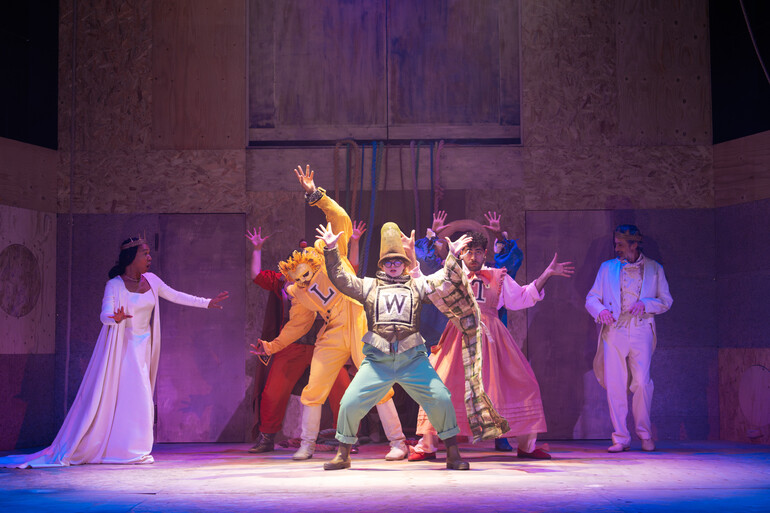
This season, we decided it was time to raise our ambitions by delivering our first Intermediate main house production – and A Midsummer Night’s Dream, our co-production with the RSC, provided the perfect opportunity.
Intermediate level requires that 65% of materials in each category come from recycled or reused sources, and that at least 60% goes on to have a future life. Our process starts by appointing a Theatre Green Book Champion, and as the Production Manager for the show, I was best placed to take on this role.
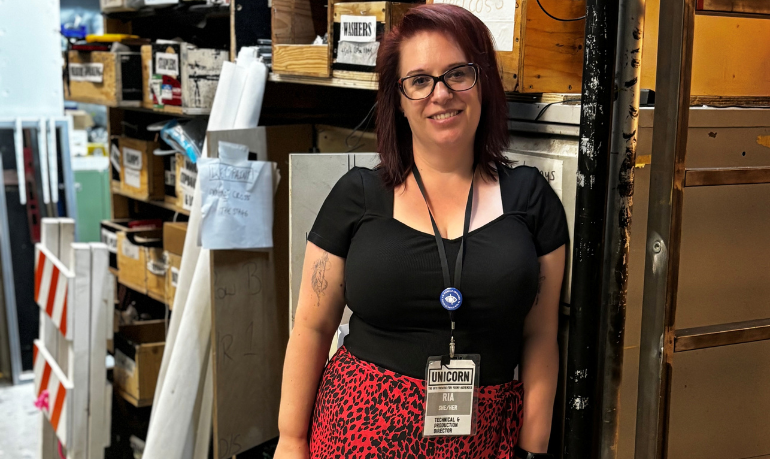
We made sure our sustainability goals were embedded in the creative process by bringing the designer and creative team into the conversation from the very beginning. We discussed what sustainability means at the Unicorn, how we could achieve our goals and the knowledge, experience and resources we could offer.
The production itself presented several challenges. Firstly, the set needed to transfer to the RSC in Stratford-upon-Avon. Secondly, the play features multiple, vastly different locations. Plus, it has a large cast requiring greater costume resources.
At our initial parameters meeting, the creative and production teams came together to discuss our Theatre Green Book goal and how we would support each other in achieving it. I then began work on the budget and the Theatre Green Book materials tracker. This is a very useful tool as it gives us an early indication of any challenges ahead and whether we are likely to meet our targets.
Image gallery
To manage the process as effectively as possible, I usually do two versions of the tracker: a best-case and a worst-case scenario. This helps me work out where changes can be made to keep the production on target and to the agreed timeline.
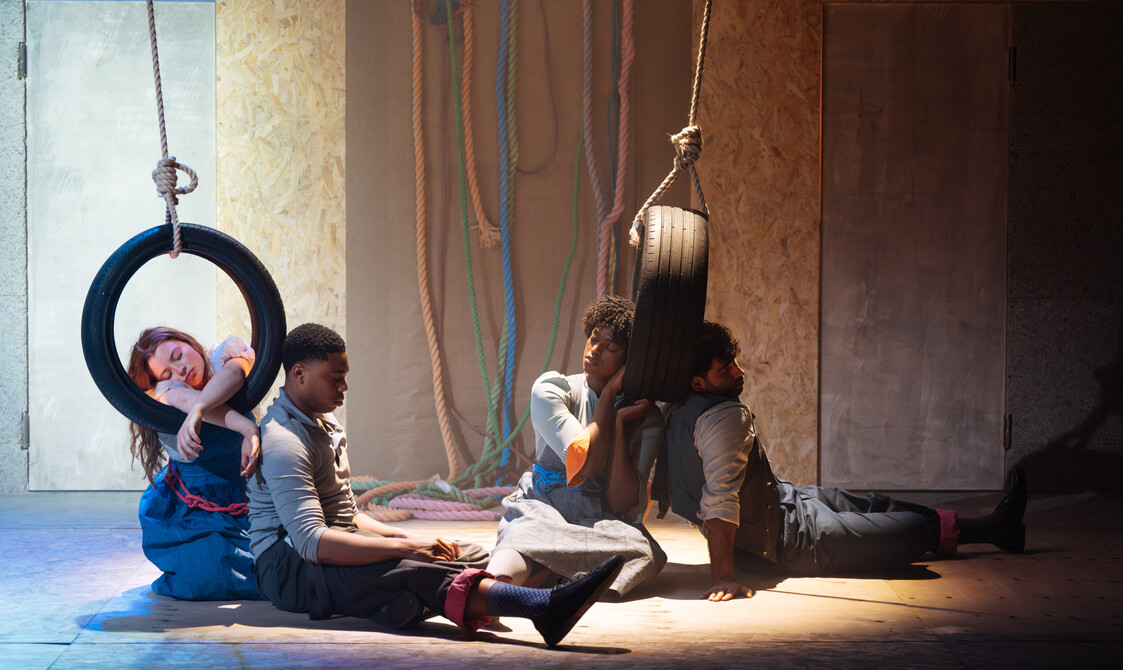
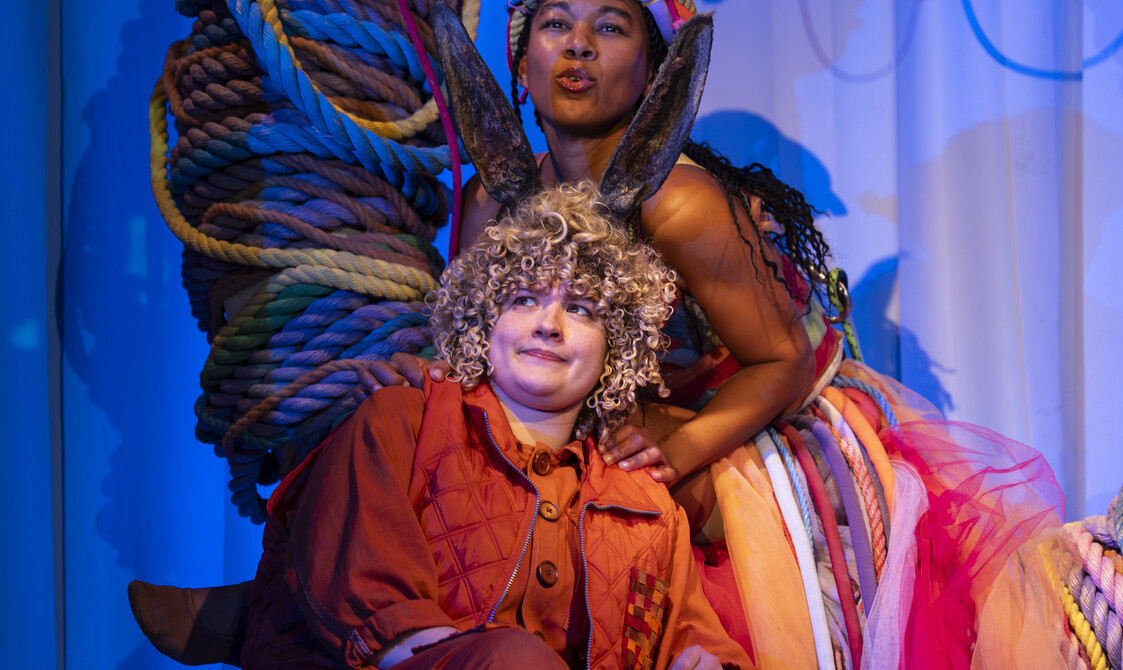
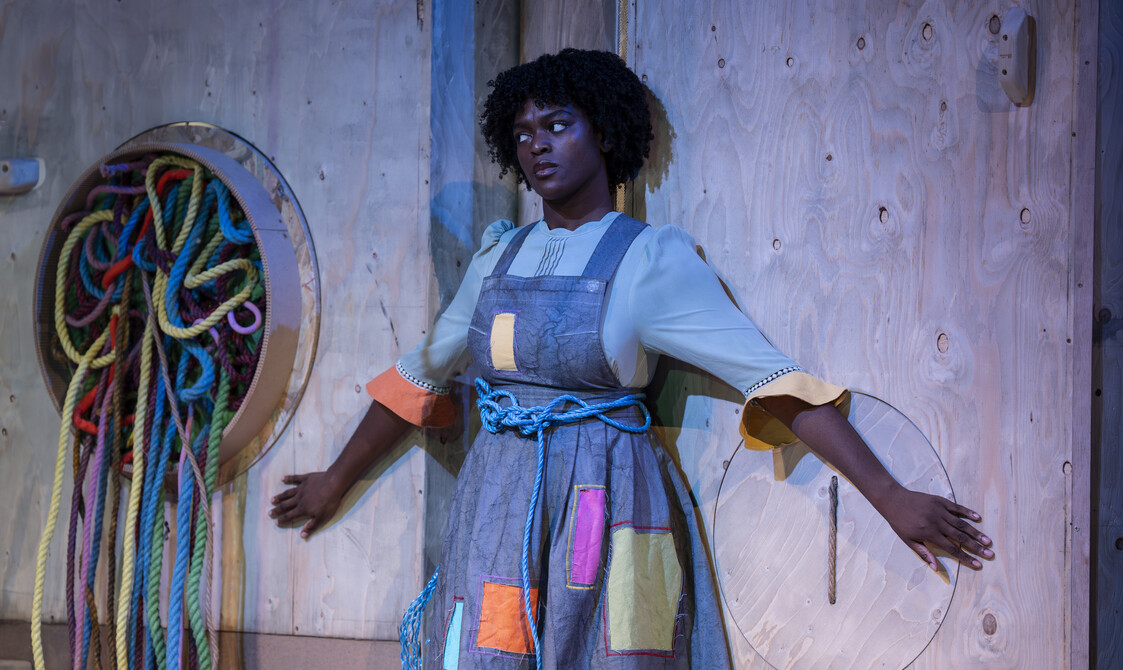
While following Green Book standards, it’s very important that the final design still stays true to the original creative vision. Inspired by Peter Brooks’ 1970 production of A Midsummer Night's Dream, the set was a two-storey raw timber structure with a playground feel incorporating ropes, tyre swings, moving panels and a colourful bower for Titania concealed behind metal panelling.
I always start by breaking the design down into individual set elements, which helps me identify what can come from stock, be borrowed or hired. For each item, I consider its appearance, functionality and how it would work being transferred to other venues.
The timber construction presented one of our greatest opportunities for reuse, so we started by going through what we had in stock from previous shows. We then looked at timber available from the RSC, second-hand timber suppliers and other theatres.
Then it was time to jigsaw the set together, carefully matching the reclaimed timber to the different elements of the design to get the right look and practical requirements of the set. Behind the timber-clad walls stands a scaffold and steel-deck structure assembled from a combination of Unicorn and RSC stock.
Another big challenge was the production’s use of over 90kg of colourful ropes in a range of thicknesses. Instead of buying new, we used rope from both companies’ stores – the team spent weeks repainting them either on stage or in one of our rehearsal rooms!
One of the biggest lessons from working to the Theatre Green Book is that sustainability often means investing more time, resources and effort into sourcing, adapting and reusing existing items rather than simply buying new. It takes a lot of forward planning and teamwork, but it's worth it – and every production helps us do it better the next time.